Sometimes, the body whispers before it screams. Knowing when to listen could save your life.
Have you ever ignored a headache because you thought it was due to stress? Or blamed frequent dizziness on tiredness? Perhaps a tingling sensation in your hand disappeared after a few minutes, so you assumed it was nothing serious.
These are common reactions. Every day, many people in and around Phagwara dismiss neurological symptoms as temporary problems. Unfortunately, some of these seemingly harmless signs can be the earliest indicators of conditions affecting the brain, spine or nervous system.
When it comes to neurological disorders, early diagnosis can make a remarkable difference. Whether it is a stroke, Parkinson’s disease, epilepsy or a balance disorder, timely intervention often leads to better treatment outcomes and a better quality of life.
If you are searching for a Neurologist in Phagwara, this guide will help you understand when neurological symptoms require expert attention and why choosing specialised care matters.
Meet the Expert Behind Advanced Neurological Care
If you are looking for a Neurologist in Phagwara, choosing a specialist with extensive experience and access to advanced neurological technology is essential.
Many patients from Phagwara and neighbouring areas choose Dr Sandeep Goel (Senior Neurologist), DM Neurology, at NHS Neurocare (a unit of NHS Hospital), Jalandhar, for comprehensive neurological care. With more than 27 years of experience and having treated lakhs of patients with neurological disorders, Dr Goel is recognised for his expertise in diagnosing and managing complex conditions affecting the brain, spine and nervous system.
From emergency stroke management to epilepsy, Parkinson’s disease, vertigo, migraine, dementia and other neurological disorders, his approach focuses on accurate diagnosis, evidence-based treatment and compassionate patient care. Supported by advanced facilities such as a dedicated Stroke Ready Centre, Vertigo Lab, 3D Flat Panel Cath Lab, and 24/7 MRI & CT services, NHS Neurocare offers comprehensive neurological services under one roof.
A Story That Could Be Anyone’s
Imagine this.
A 52-year-old businessman from Phagwara had been experiencing occasional dizziness for several months. He believed it was because of his busy schedule and long working hours. His family encouraged him to see a doctor, but he continued postponing the visit.
One morning, while having breakfast, he suddenly found it difficult to lift his right arm. His speech became slurred, and he struggled to smile properly.
Fortunately, his family recognised that something was seriously wrong and rushed him to a specialised neurological centre. He had suffered a stroke.
Because treatment was started quickly, he recovered well and returned to his normal routine within a few months.
The story highlights an important truth: neurological symptoms often begin quietly. Recognising them early can prevent lifelong disability.
Why Neurological Symptoms Are Often Misunderstood
Unlike a broken bone or a visible injury, neurological disorders rarely announce themselves dramatically in the beginning.
The brain controls everything we do—our movement, speech, balance, memory, emotions and even our ability to swallow or see clearly. When something affects this complex system, the symptoms can appear gradually and may seem unrelated.
Many people attribute these warning signs to:
- Stress
- Ageing
- Fatigue
- Lack of sleep
- Vitamin deficiencies
- Busy lifestyles
Although these factors can contribute to symptoms, they should never be assumed to be the only cause without proper medical evaluation.
7 Warning Signs You Should Never Ignore
1. Frequent or Severe Headaches
While occasional headaches are common, frequent or severe headaches, or a sudden change in headache patterns, should be evaluated by a neurologist to rule out serious underlying causes.
2. Dizziness or Vertigo
Frequent dizziness or a spinning sensation (vertigo) can indicate balance disorders or neurological issues that deserve specialist assessment.
3. Persistent Numbness or Tingling
Occasional tingling after sitting awkwardly is usually harmless. However, persistent or recurrent numbness may indicate peripheral neuropathy, nerve compression, vitamin deficiencies, diabetes-related nerve damage, stroke, or multiple sclerosis. Ignoring these symptoms may allow the underlying condition to progress.
4. Tremors or Shaking Hands
A slight tremor may seem insignificant initially, but persistent shaking should never be ignored. Tremors can occur due to Parkinson’s disease, essential tremor, thyroid disorders, medication side effects, or other neurological conditions. Early diagnosis allows treatment to begin before symptoms interfere significantly with daily activities.
5. Memory Problems Beyond Normal Ageing
Everyone occasionally forgets names or misplaces keys. However, repeated memory lapses, confusion, difficulty finding words or personality changes should be evaluated. These symptoms may be associated with dementia, Alzheimer’s disease, vitamin deficiencies, depression, or other neurological disorders. Early assessment provides the best opportunity for effective management and support.
6. Sudden Weakness or Difficulty Speaking
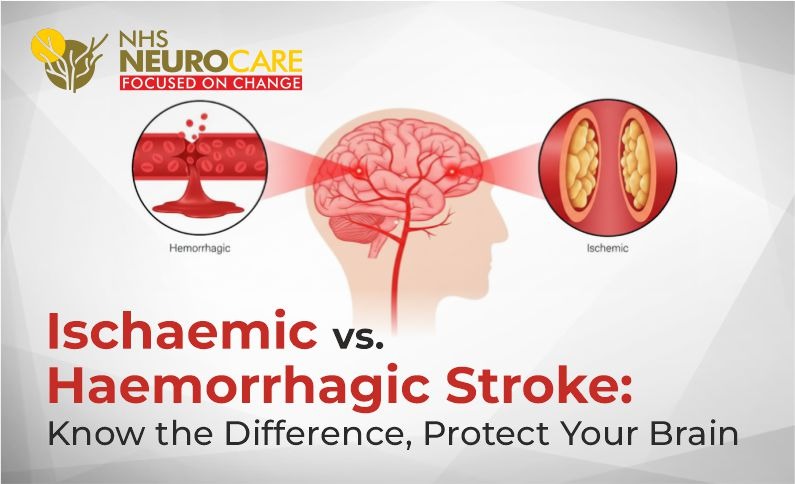
This is one symptom that should never be ignored. If someone suddenly develops weakness on one side of the body, facial drooping, slurred speech, difficulty understanding language, or sudden vision loss, treat it as a medical emergency. These are classic warning signs of a stroke. Every minute counts because millions of brain cells are lost with each passing minute during an untreated stroke. Centres equipped with a dedicated Stroke Ready Centre, such as NHS Neurocare (a unit of NHS Hospital), are designed to provide rapid assessment and emergency neurological care, helping improve the chances of recovery.
7. Difficulty Walking or Losing Balance
If walking becomes increasingly difficult or you experience repeated falls, your nervous system may be signalling an underlying problem. Balance issues may result from Parkinson’s disease, cerebellar disorders, vestibular disorders, stroke, or peripheral nerve disease. An expert neurological assessment can identify the cause and guide appropriate treatment before mobility deteriorates further.
Why Self-Medication Can Be Risky
One of the most common mistakes people make is treating neurological symptoms with over-the-counter medicines or home remedies without identifying the underlying cause.
Painkillers may temporarily relieve headaches, and anti-vertigo tablets may reduce dizziness, but they do not explain why these symptoms are occurring. Delaying specialist evaluation can allow conditions such as stroke, epilepsy or Parkinson’s disease to progress unnecessarily.
The goal should never be to mask symptoms—it should be to understand them.