Spine Care at NHS Neurocare
Advanced Spine Care with Precision, Innovation and Compassion
Spine Care Treatment
Back and neck pain are among the most prevalent health concerns worldwide, yet not every spinal condition necessitates major surgery. At NHS Neurocare (A Unit of NHS Hospital), we provide comprehensive spine care using the latest diagnostic techniques, minimally invasive procedures, and advanced surgical technologies to help patients restore mobility, alleviate pain, and return to an active life.Our multidisciplinary spine programme brings together experienced neurosurgeons, neurologists, pain specialists, physiotherapists, rehabilitation experts, and radiologists to offer personalised treatment for disorders affecting the cervical, thoracic, and lumbar spine.
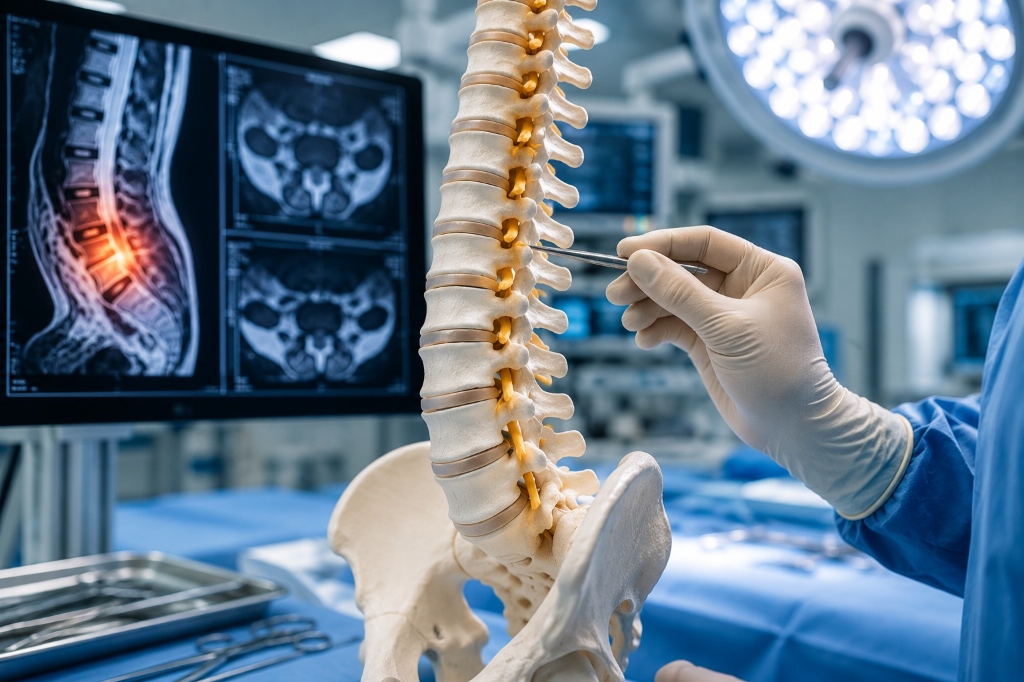
From simple back pain to complex spinal disorders, our focus is always on providing the right treatment at the right time, with surgery recommended only when absolutely necessary.
Comprehensive Spine Conditions We Treat
- Slip Disc (Herniated Disc)
- Sciatica
- Chronic Back Pain
- Neck Pain
- Cervical Spondylosis
- Lumbar Spondylosis
- Spinal Stenosis
- Degenerative Disc Disease
- Spinal Cord Compression
- Disc Prolapse
- Spinal Fractures
- Spinal Tumours
- Spine Infections
- Scoliosis
- Kyphosis
- Cervical Myelopathy
- Nerve Root Compression
- Sacroiliac Joint Disorders
- Failed Back Surgery Syndrome
- Sports-Related Spine Injuries
Whether your symptoms have developed gradually or appeared suddenly, our specialists perform a detailed evaluation to identify the underlying cause rather than simply treating the pain.
Common Symptoms That Should Not Be Ignored
You should seek expert spine evaluation if you experience:
- Persistent back pain lasting more than a few weeks
- Neck pain with stiffness
- Pain radiating into the arms or legs
- Numbness or tingling in the hands or feet
- Weakness in the arms or legs
- Difficulty walking or maintaining balance
- Loss of bladder or bowel control (medical emergency)
- Severe pain after an injury or fall
- Pain that disturbs sleep
- Difficulty standing or walking for long periods
Early diagnosis often prevents the progression of spinal disease and may reduce the need for extensive surgery.
Advanced Diagnostic Facilities
Accurate diagnosis is the foundation of successful spine treatment. Our advanced diagnostic services include:
- High-Resolution MRI
- CT Scan
- Digital X-ray
- Nerve Conduction Studies
- Electromyography (EMG)
- Laboratory Investigations
- Advanced Neurological Assessment
- Image-Guided Evaluation
These investigations help our specialists determine the exact cause of pain and develop a personalised treatment plan.
Modern Spine Treatment Options
Conservative (Non-Surgical) Management
Many spine problems can be successfully managed without surgery. Treatment may include:
- Medication
- Physiotherapy
- Lifestyle Modification
- Posture Correction
- Exercise Programmes
- Weight Management
- Pain Management
- Ergonomic Advice
Image-Guided Spine Injections
For selected patients, targeted injections provide effective pain relief and reduce inflammation around irritated nerves. These minimally invasive procedures can help relieve:
- Sciatica
- Nerve Root Compression
- Facet Joint Pain
- Chronic Back Pain
- Cervical Pain
- Lumbar Pain
Image guidance ensures precise placement of medication, improving both safety and effectiveness.
Minimally Invasive Spine Surgery
When surgery becomes necessary, our specialists perform minimally invasive spine procedures designed to reduce tissue damage, minimise blood loss and support faster recovery. Benefits include:
- Smaller incisions
- Reduced pain after surgery
- Lower infection risk
- Shorter hospital stay
- Faster rehabilitation
- Earlier return to daily activities
Advanced Laser Spine Procedures
For carefully selected spinal conditions, laser-assisted techniques may be used as part of minimally invasive treatment strategies. Potential benefits include:
- Smaller surgical access
- Reduced soft tissue injury
- Less postoperative discomfort
- Faster recovery
- Improved patient comfort
Our specialists carefully evaluate each patient to determine whether laser technology is the most appropriate treatment option.
Computer-Assisted Navigation Technology
Precision is essential in spine surgery. NHS Neurocare utilises advanced navigation technology to assist surgeons during complex spinal procedures. Navigation systems help by:
- Improving surgical accuracy
- Enhancing implant placement
- Increasing procedural confidence
- Preserving surrounding healthy tissues
- Supporting safer surgery in complex spinal conditions
This advanced technology contributes to better surgical planning and improved patient outcomes.
Endoscopic and Minimally Invasive Spine Techniques
Where clinically appropriate, our team uses minimally invasive and endoscopic approaches to access spinal pathology through very small incisions. Advantages include:
- Less muscle disruption
- Reduced postoperative pain
- Faster mobilisation
- Shorter hospital stay
- Quicker return to work
Every patient undergoes a comprehensive evaluation to determine the most suitable surgical approach.
Multidisciplinary Spine Rehabilitation
Recovery does not end after treatment. Our rehabilitation programme includes:
- Physiotherapy
- Strengthening Exercises
- Balance Training
- Walking Rehabilitation
- Pain Management
- Lifestyle Counselling
- Long-Term Follow-Up
Our goal is not only to relieve pain but also to restore confidence, mobility and independence.
Why Choose NHS Neurocare for Spine Care?
- Experienced Neurosurgery and Neurology Team
- Comprehensive Spine Evaluation
- Advanced Laser-Assisted Procedures
- Computer-Assisted Navigation Technology
- Minimally Invasive Spine Surgery
- Image-Guided Spine Injections
- Modern Diagnostic Facilities
- 24/7 Emergency Services
- Intensive Care Support
- Multidisciplinary Rehabilitation
- Personalised Treatment Plans
- Evidence-Based Clinical Care
Frequently Asked Questions (FAQs)
1. When should I see a spine specialist?
You should consult a spine specialist if back or neck pain lasts longer than two to three weeks, spreads to your arms or legs, causes numbness or weakness, or affects your daily activities.
2. Does every slipped disc require surgery?
No. Most slipped discs improve with medication, physiotherapy and lifestyle modifications. Surgery is recommended only when conservative treatment fails or there is significant nerve compression.
3. What is sciatica?
Sciatica is pain that travels from the lower back down the leg due to irritation or compression of the sciatic nerve. Treatment depends on the underlying cause and may include physiotherapy, medications, injections or surgery.
4. Are minimally invasive spine procedures safe?
Yes. When performed by experienced specialists for the right indications, minimally invasive spine procedures are safe and are associated with less pain, smaller incisions and quicker recovery.
5. What is navigation-guided spine surgery?
Navigation technology provides real-time imaging that helps surgeons perform spinal procedures with greater precision, particularly in complex cases.
6. How do spine injections help?
Image-guided spine injections deliver medication directly to the source of inflammation or nerve irritation, helping reduce pain and improve movement without major surgery.
7. Can laser technology treat spine problems?
Laser-assisted techniques may be beneficial in selected cases. However, not every spinal condition requires or is suitable for laser treatment. Our specialists will recommend the most appropriate option based on your diagnosis.
8. How long does recovery take after spine surgery?
Recovery depends on the procedure performed, the patient’s overall health and adherence to rehabilitation. Many patients undergoing minimally invasive procedures return to normal activities much sooner than with conventional surgery.
9. Can back pain be prevented?
Maintaining good posture, regular exercise, a healthy weight, correct lifting techniques and ergonomic work habits can significantly reduce the risk of many spine problems.
10. When is back pain considered an emergency?
Seek immediate medical attention if back pain is associated with sudden weakness, loss of bladder or bowel control, severe trauma, fever or rapidly worsening neurological symptoms.
Your Journey to a Healthier Spine Starts Here
At NHS Neurocare, we believe that every patient deserves accurate diagnosis, expert guidance and access to advanced treatment options. Whether your condition requires conservative management, image-guided injections or advanced minimally invasive spine surgery, our team is committed to delivering personalised care with precision and compassion.
With advanced technology, including laser-assisted procedures, computer-assisted navigation, minimally invasive spine techniques and image-guided injections, supported by the comprehensive infrastructure of NHS Hospital, we strive to help every patient move freely, live comfortably and enjoy a better quality of life.
Take the first step towards lasting spine health—because a healthy spine is the foundation of an active life.