Multiple Sclerosis (MS)
Advanced Multiple Sclerosis Care by Dr Sandeep Goel (Senior Neurologist) | DM Neurology | 27+ Years' Experience
Multiple Sclerosis (MS) Treatment
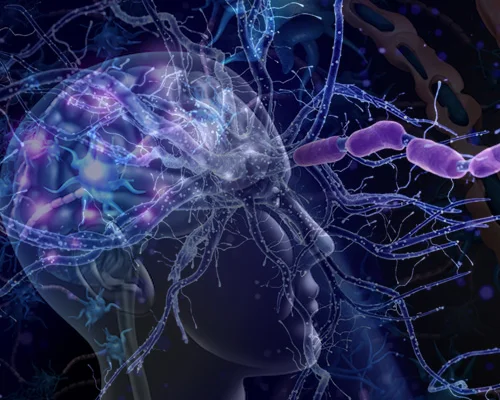
Multiple Sclerosis (MS) is a chronic autoimmune neurological disorder that affects the brain, spinal cord, and optic nerves. In this condition, the body’s immune system mistakenly attacks myelin, the protective covering of nerve fibres, disrupting communication between the brain and the rest of the body.
Although Multiple Sclerosis is a lifelong condition, early diagnosis and modern treatment can significantly slow disease progression, reduce relapses, and help patients lead active, independent lives.
At NHS Neurocare (A Unit of NHS Hospital, Jalandhar), we provide comprehensive diagnosis and personalised management of Multiple Sclerosis under the expert guidance of Dr Sandeep Goel (Senior Neurologist), DM Neurology, with 27+ years of experience and lakhs of patients treated.
We also offer a Dedicated Multiple Sclerosis (MS) Clinic, providing specialised long-term care, counselling, and advanced treatment for patients living with MS.
Meet Your Multiple Sclerosis Specialist: Dr Sandeep Goel (Senior Neurologist), DM Neurology, is among the most experienced neurologists in North India with over 27 years of expertise in managing Multiple Sclerosis and other complex neuroimmunological disorders. Using evidence-based treatment, advanced neurological evaluation, and personalised care plans, he has helped lakhs of patients manage neurological diseases and improve their quality of life.
What is Multiple Sclerosis (MS)?
Multiple Sclerosis (MS) is an autoimmune disorder in which the immune system attacks the protective covering (myelin) surrounding nerve fibres in the brain and spinal cord.
Damage to myelin disrupts nerve signal transmission, resulting in a wide variety of neurological symptoms affecting movement, vision, sensation, balance, coordination, and cognition.
The course of MS varies from person to person. Some individuals experience occasional relapses with long periods of recovery, while others may develop gradually progressive symptoms. Early diagnosis and timely treatment are essential for reducing disability and preserving neurological function.
Common Symptoms of Multiple Sclerosis
Symptoms depend on the location and extent of nerve damage. Patients may experience:
- Numbness or tingling in the arms or legs
- Weakness affecting one or more limbs
- Difficulty walking
- Muscle stiffness or spasms
- Poor balance
- Tremors
- Loss of coordination
- Fatigue
- Electric shock sensation while bending the neck (Lhermitte's sign)
- Blurred vision
- Double vision
- Temporary loss of vision in one eye
- Eye pain during movement
- Dizziness
- Speech difficulties
- Memory or concentration problems
- Bladder or bowel dysfunction
- Sexual dysfunction
Symptoms may develop gradually or appear suddenly during a relapse.
What Causes Multiple Sclerosis?
The exact cause remains unknown. However, MS is believed to result from a combination of genetic susceptibility and environmental factors. The immune system mistakenly attacks healthy nerve tissue, causing inflammation and damage to the myelin sheath.
Risk Factors
Several factors may increase the likelihood of developing Multiple Sclerosis:
- Age between 20 and 50 years
- Female gender
- Family history of MS
- Vitamin D deficiency
- Low sunlight exposure
- Smoking
- Previous Epstein-Barr Virus (EBV) infection
- Certain autoimmune disorders
- Living in temperate climates
Having one or more risk factors does not necessarily mean that a person will develop MS.
Types of Multiple Sclerosis
Clinically Isolated Syndrome (CIS)
A first neurological episode suggestive of MS.
Relapsing-Remitting Multiple Sclerosis (RRMS)
The most common form, characterised by episodes of new or worsening symptoms followed by periods of recovery.
Secondary Progressive Multiple Sclerosis (SPMS)
Some patients with RRMS gradually develop progressive neurological disability over time.
Primary Progressive Multiple Sclerosis (PPMS)
Symptoms gradually worsen from the beginning without distinct relapses.
Diagnosis of Multiple Sclerosis
Early diagnosis allows prompt initiation of disease-modifying treatment. Evaluation at NHS Neurocare may include:
- Detailed neurological examination
- MRI Brain
- MRI Spine
- Blood investigations
- Cerebrospinal fluid (CSF) analysis when indicated
- Evoked potential studies
- Additional neurological investigations based on individual findings
Our 24/7 CT & MRI facilities within the Emergency Department support rapid neurological assessment whenever urgent evaluation is required.
Advanced Treatment for Multiple Sclerosis
Although there is currently no permanent cure for MS, modern treatment can effectively control disease activity and improve quality of life. Treatment may include:
Disease-Modifying Therapy (DMT)
These medicines reduce relapses and slow disease progression.
Treatment During Relapses
Acute flare-ups are managed with appropriate medical therapy to reduce inflammation and speed recovery.
Symptom Management
Individual treatment is provided for muscle stiffness, fatigue, pain, tremors, bladder symptoms, and walking difficulties.
Physiotherapy
Improves balance, strength, flexibility, mobility, and independence.
Occupational Therapy
Helps patients maintain independence in daily activities.
Lifestyle Management
Patients receive guidance regarding exercise, nutrition, vitamin D, stress reduction, and healthy living.
Long-Term Follow-up
Regular neurological monitoring allows treatment to be adjusted according to disease activity.
Why Choose NHS Neurocare for Multiple Sclerosis Treatment?
- Led by Dr Sandeep Goel (Senior Neurologist), DM Neurology
- 27+ years of neurological expertise
- Lakhs of patients treated
- Dedicated Multiple Sclerosis (MS) Clinic
- Comprehensive Neuroimmunology services
- Personalised long-term disease management
- 24/7 CT & MRI available within the Emergency Department
- Advanced neurological diagnostics
- Multidisciplinary rehabilitation support
- Patient education and family counselling
- Compassionate, evidence-based neurological care
When Should You Consult a Neurologist?
Seek neurological evaluation if you experience:
- Unexplained numbness or tingling
- Sudden vision loss
- Persistent muscle weakness
- Difficulty walking
- Balance problems
- Recurrent neurological symptoms
- Electric shock sensation while bending the neck
- Unexplained fatigue with neurological symptoms
Early diagnosis offers the best opportunity to slow disease progression.
Frequently Asked Questions
1. What is Multiple Sclerosis?
Multiple Sclerosis is an autoimmune disease in which the immune system attacks the protective covering of nerves in the brain and spinal cord.
2. What causes MS?
The exact cause remains unknown, but genetics, environmental factors, vitamin D deficiency, smoking, and immune system abnormalities may contribute.
3. Is Multiple Sclerosis hereditary?
MS is not directly inherited, although a family history slightly increases the risk.
4. Can Multiple Sclerosis be cured?
Currently, there is no permanent cure, but modern treatment can effectively control disease activity and reduce relapses.
5. Is MS life-threatening?
Most people with MS have a near-normal life expectancy with appropriate treatment and long-term neurological care.
6. Can MS affect vision?
Yes. Blurred vision, double vision, and optic neuritis are common early symptoms.
7. What is the most common type of MS?
Relapsing-Remitting Multiple Sclerosis (RRMS) is the most common form.
8. Can physiotherapy help MS patients?
Yes. Physiotherapy plays a vital role in improving mobility, balance, strength, and independence.
9. Why is MRI important in MS?
MRI helps detect lesions in the brain and spinal cord, supporting diagnosis and monitoring disease progression.
10. Can MS be controlled with medication?
Yes. Disease-modifying therapies significantly reduce relapses and slow disease progression in many patients.
11. When should I consult a neurologist?
If you experience unexplained neurological symptoms such as numbness, weakness, vision changes, balance problems, or recurrent neurological episodes.
12. Where can I receive expert Multiple Sclerosis treatment in Jalandhar?
At NHS Neurocare (A Unit of NHS Hospital, Jalandhar), Dr Sandeep Goel (Senior Neurologist), DM Neurology, with 27+ years of experience and lakhs of patients treated, provides comprehensive Multiple Sclerosis diagnosis and treatment through a Dedicated MS Clinic, supported by advanced neurological care and 24/7 CT & MRI facilities within the Emergency Department.
Dedicated Multiple Sclerosis Care at NHS Neurocare
Living with Multiple Sclerosis can be challenging, but with early diagnosis, expert neurological care, and continuous support, many patients continue to lead productive and fulfilling lives.
If you are looking for an experienced Multiple Sclerosis Specialist or Neurologist in Jalandhar, consult Dr Sandeep Goel (Senior Neurologist), DM Neurology, at NHS Neurocare. Supported by 27+ years of experience, lakhs of patients treated, a Dedicated MS Clinic, advanced diagnostics, and 24/7 CT & MRI in the Emergency Department, we are committed to delivering compassionate, evidence-based care for every stage of your MS journey.