Movement Disorders
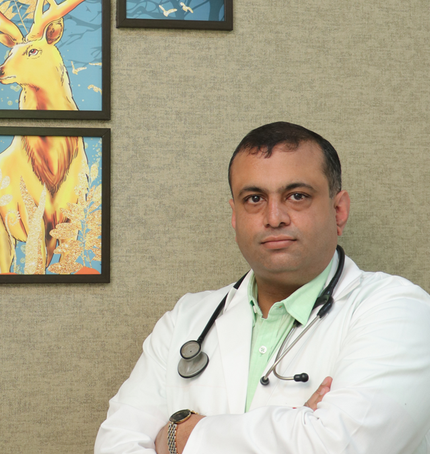
Advanced Diagnosis & Treatment by Dr Sandeep Goel (Senior Neurologist) | DM Neurology | 27+ Years’ Experience
Movement Disorders Treatment
Movement disorders are a group of neurological conditions that affect the speed, quality, coordination, and control of body movements. These disorders may cause involuntary movements such as tremors, muscle spasms, jerking, or stiffness, while others make movements slow, difficult, or poorly coordinated.
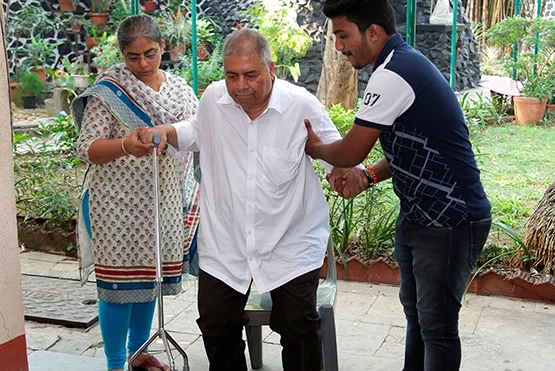
At NHS Neurocare (A Unit of NHS Hospital, Jalandhar), we provide comprehensive diagnosis and advanced treatment for a wide range of movement disorders under the expert guidance of Dr Sandeep Goel (Senior Neurologist), DM Neurology, with 27+ years of experience and lakhs of patients treated.
Our multidisciplinary team focuses on accurate diagnosis, personalised treatment plans, rehabilitation, and long-term care to help patients maintain independence and enjoy a better quality of life.
Meet Your Movement Disorders Specialist: Dr Sandeep Goel (Senior Neurologist), DM Neurology is a highly respected neurologist in Punjab with 27+ years of clinical experience. He specializes in Parkinson’s disease, tremors, dystonia, and complex movement disorders, delivering compassionate and patient-centric care to improve functional outcomes.
What are Movement Disorders?
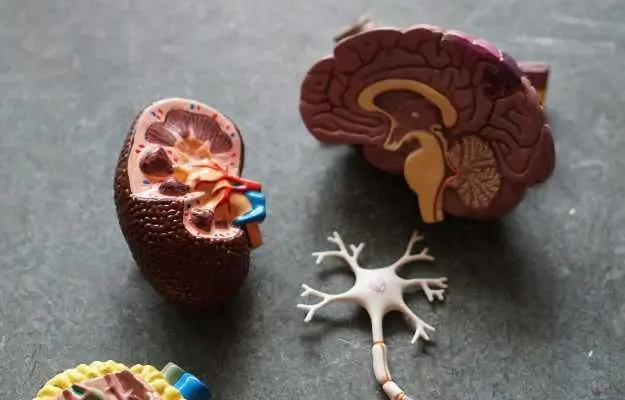
Movement disorders arise from abnormalities in the neurological pathway, particularly the basal ganglia (a deep brain region controlling voluntary movements). Some disorders cause hyperkinesia (excessive, involuntary movement), while others lead to hypokinesia (slowness or lack of movement).
Early specialist consultation is critical for identifying the specific disorder and starting targeted therapy to prevent progression and maintain function.
Common Types of Movement Disorders
- Parkinson’s Disease: Slowness of movement, tremors, rigidity, and gait issues.
- Essential Tremor: Action tremors usually affecting the hands, head, or voice.
- Dystonia: Involuntary, sustained muscle contractions causing twisting or abnormal postures.
- Huntington’s Disease: Progressive neurodegenerative disorder with chorea (involuntary movements).
- Myoclonus: Sudden, brief, shock-like muscle jerks.
- Tourette Syndrome & Tics: Repetitive, involuntary movements or vocal sounds.
- Ataxia: Lack of coordination, balance, and speech problems.
- Restless Legs Syndrome (RLS): Uncomfortable leg sensations with an urge to move them.
- Tardive Dyskinesia: Repetitive facial or body movements, often drug-induced.
- Progressive Supranuclear Palsy (PSP): Balance problems, eye movement issues, and muscle stiffness.
Causes of Movement Disorders
Movement disorders have varied causes, including:
- Genetic mutations
- Neurodegenerative changes (gradual loss of brain cells)
- Stroke or vascular diseases
- Traumatic brain injury
- Metabolic disorders (liver, thyroid, copper metabolism)
- Medications (especially psychiatric or anti-nausea drugs)
- Autoimmune or inflammatory disorders
- Infections affecting the brain
Diagnosis & Advanced Treatment Options
At NHS Neurocare, evaluation involves a detailed clinical assessment, medical history review, MRI Brain, CT Brain, genetic testing, and specialised blood tests. Our 24/7 CT & MRI facilities support rapid diagnostic testing.
We offer customised care plans incorporating:
- Pharmacotherapy: Targeted medicines to control motor symptoms (e.g., dopaminergic agents).
- Botulinum Toxin Injections: Highly effective for focal dystonias, muscle spasms, and hemifacial spasm.
- Surgical Referral & DBS Evaluation: Assessment for Deep Brain Stimulation (DBS) in advanced Parkinson’s or essential tremor.
- Rehabilitation: Physical therapy, occupational therapy, and speech-language pathology to maintain movement and communication.
- Supportive Care: Long-term guidance, nutrition planning, and psychological support for patients and families.
- Regular Monitoring: Structured follow-up to adjust medical therapy as the disease evolves.
Why Choose NHS Neurocare?
- Led by Dr Sandeep Goel (Senior Neurologist), DM Neurology with 27+ years of experience
- Lakhs of neurological patients successfully treated
- Comprehensive clinical assessment and diagnostic technologies
- Specialised Botulinum Toxin Injection therapy
- Integrated physical therapy and neuro-rehabilitation facilities
- 24/7 CT & MRI available within the Emergency Department
- Multidisciplinary, patient-centered care team
- Compassionate support for chronic movement disorders
- Continuous medication optimisation and follow-up
- Dedicated patient and family counselling
Frequently Asked Questions
1. What are movement disorders?
They are a group of neurological conditions causing either excessive involuntary movements or slowness and stiffness that disrupt daily function.
2. Is Parkinson’s disease a movement disorder?
Yes, it is the most common movement disorder, causing slowness, tremors, rigidity, and balance challenges.
3. What causes involuntary tremors?
They can be caused by conditions like Parkinson’s, Essential Tremor, thyroid disorders, drug side effects, or family genetics.
4. What is dystonia?
A movement disorder characterized by involuntary, sustained muscle contractions that lead to repetitive twisting movements or abnormal postures.
5. How is dystonia treated?
Treatment includes oral medications, botulinum toxin injections, physical therapy, and sometimes surgical evaluation for Deep Brain Stimulation (DBS).
6. Can movement disorders be cured?
Many are chronic and do not have a permanent cure, but their symptoms can be highly controlled with appropriate medical and physical therapies to help maintain quality of life.
7. What is botulinum toxin therapy?
Injections that temporarily relax overactive muscles, providing significant relief for focal dystonias, muscle spasms, and tics.
8. Who is affected by essential tremor?
It can affect adults of all ages, though it is more common in older individuals and often runs in families.
9. When should I see a neurologist?
If you notice persistent tremors, muscle stiffness, involuntary movements, slowness, or coordination problems that affect your activities.
10. Is Deep Brain Stimulation (DBS) right for everyone?
DBS is an advanced surgical option suitable only for specific patients with Parkinson’s, dystonia, or essential tremor whose symptoms are not adequately controlled by medications.
11. How does physical therapy help?
It focuses on strength, balance, posture, flexibility, and gait training to help patients remain active and independent.
12. Where can I receive expert treatment for movement disorders in Jalandhar?
At NHS Neurocare (A Unit of NHS Hospital, Jalandhar), under the expert guidance of Dr Sandeep Goel (Senior Neurologist), DM Neurology, who has 27+ years of experience and lakhs of patients treated.
Expert Movement Disorder Care at NHS Neurocare
Movement disorders present unique challenges, but expert care can improve symptoms and restore function.
If you are looking for an experienced Parkinson’s Specialist or Movement Disorders Specialist in Jalandhar, consult Dr Sandeep Goel (Senior Neurologist), DM Neurology, at NHS Neurocare. With advanced diagnostic tools, therapeutic injections, and comprehensive neuro-rehabilitation, we are dedicated to helping patients live healthy and independent lives.