Tension-Type Headache Treatment
Expert Care by Dr Sandeep Goel (Senior Neurologist) | DM Neurology | 27+ Years’ Experience
Tension-Type Headache Treatment in Jalandhar
Tension-type headache is the most common form of headache, affecting millions of people worldwide. It is often described as a constant pressure or tightness around the forehead or the back of the head and neck. Although usually not life-threatening, frequent headaches can significantly interfere with work, sleep, relationships, and overall quality of life.
At NHS Neurocare (A Unit of NHS Hospital, Jalandhar), we offer comprehensive diagnosis and personalised treatment for tension-type headaches under the expert guidance of Dr Sandeep Goel (Senior Neurologist), DM Neurology, who has 27+ years of experience and has successfully treated lakhs of patients with neurological disorders.
Our objective is not only to relieve pain but also to identify the underlying triggers, reduce recurrence, and improve your long-term quality of life.
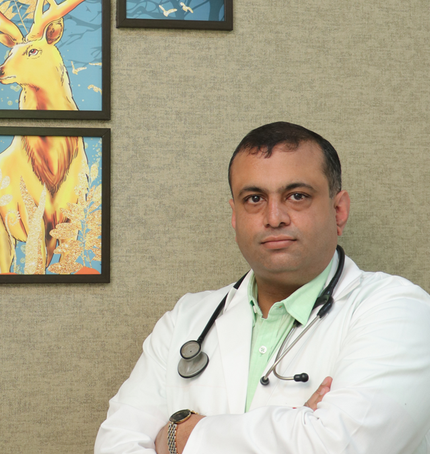
Meet Your Headache Specialist: Dr Sandeep Goel (Senior Neurologist), DM Neurology is one of the leading neurologists in North India with more than 27 years of experience in diagnosing and treating headache disorders, migraine, epilepsy, stroke, vertigo, and other neurological conditions. His evidence-based approach, combined with advanced neurological evaluation, enables accurate diagnosis and effective long-term headache management.
What is a Tension-Type Headache?
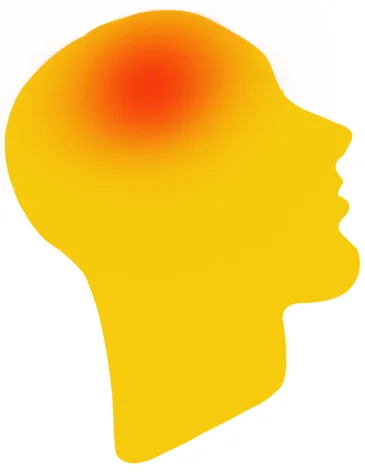
A tension-type headache is the most common primary headache disorder. It usually causes a dull, aching pain or a feeling of tightness around the forehead, temples, or the back of the head and neck.
Unlike migraine, tension-type headaches are generally not associated with severe nausea or visual disturbances. However, frequent episodes can affect concentration, productivity, and emotional wellbeing.
The discomfort may range from mild to moderate and can last from 30 minutes to several days.
Symptoms of Tension-Type Headache
- Dull, aching head pain
- Tightness or pressure around the forehead
- Pain on both sides of the head
- Tenderness of the scalp
- Neck stiffness
- Shoulder muscle tightness
- Pressure behind the eyes
- Mild sensitivity to light or sound (occasionally)
- Difficulty concentrating
- Fatigue due to persistent headache
Causes of Tension-Type Headache
Although the exact cause is not always known, several factors may contribute:
- Emotional stress
- Anxiety
- Depression
- Poor posture
- Long working hours
- Computer or mobile screen overuse
- Inadequate sleep
- Muscle tension in the neck and shoulders
- Eye strain
- Skipping meals
- Dehydration
- Excess caffeine
- Alcohol consumption
- Iron deficiency
- Jaw clenching or teeth grinding
Identifying individual triggers plays an important role in preventing future episodes.
When Should You Consult a Neurologist?
- Headaches occur frequently
- Pain interferes with daily life
- Headaches suddenly become severe
- Pain is associated with weakness or numbness
- Headaches disturb your sleep
- Over-the-counter medicines no longer help
- Headaches worsen over time
- You develop vision or speech problems
Early diagnosis can help rule out serious neurological conditions and provide effective long-term relief.
Diagnosis
At NHS Neurocare, diagnosis begins with a detailed neurological consultation.
Depending on your symptoms, investigations may include:
- Complete neurological examination
- Detailed headache history
- MRI Brain
- CT Brain
- Blood investigations
- Cervical spine assessment (when indicated)
Our 24/7 CT & MRI facilities within the Emergency Department ensure rapid diagnosis whenever emergency neurological evaluation is required.
Treatment for Tension-Type Headache
Treatment is tailored according to the frequency, severity, and underlying cause of the headaches. Your personalised treatment plan may include:
Medication
Lifestyle Modification
- Regular sleep
- Adequate hydration
- Balanced nutrition
- Limiting caffeine
- Regular physical activity
Stress Management & Therapy
Stress Management: Learning effective stress management techniques reduces headache frequency.
Physiotherapy & Posture: Neck exercises and posture correction may relieve muscle tension.
Relaxation: Breathing exercises, meditation and relaxation therapy prevent chronic headaches.
Follow-up: Regular reviews ensure treatment remains effective.
Why Choose NHS Neurocare?
- Led by Dr Sandeep Goel (Senior Neurologist), DM Neurology
- 27+ years of neurological expertise
- Lakhs of patients treated
- Advanced neurological assessment under one roof
- Dedicated Neurology team
- 24/7 CT & MRI available within the Emergency Department
- Personalised headache management plans
- Modern diagnostic facilities
- Lifestyle counselling and preventive care
- Compassionate, patient-centred treatment
Types of Tension Headache
Episodic Tension-Type Headache: Occurs on less than 15 days per month. Lasts 30 minutes to several days, mild to moderate pain, stress/fatigue triggers.
Chronic Tension-Type Headache: Occurs on 15 or more days per month for at least three months. Near-daily headaches, persistent muscle tightness, sleep issues.
Frequently Asked Questions
1. What is a tension-type headache?
A tension-type headache is the most common headache disorder that causes a dull, tightening pain around the head or neck.
2. What causes tension-type headaches?
Stress, poor posture, muscle tension, inadequate sleep, dehydration, anxiety and prolonged screen time are common causes.
3. How can I tell if my headache is a tension headache?
Tension headaches usually cause a steady pressure on both sides of the head without severe nausea or vomiting.
4. Are tension headaches dangerous?
Most are not dangerous, but frequent or severe headaches should always be evaluated by a neurologist.
5. Can stress cause headaches?
Yes. Emotional and physical stress are among the leading triggers for tension-type headaches.
6. Can poor posture lead to headaches?
Yes. Neck and shoulder muscle strain caused by poor posture frequently contributes to tension headaches.
7. When should I consult a neurologist for headaches?
If headaches become frequent, severe, recurrent, or interfere with daily life, neurological evaluation is recommended.
8. Are CT or MRI scans necessary for headaches?
Not every patient requires imaging. Your neurologist will recommend CT or MRI if clinically indicated.
9. Can tension headaches be prevented?
Yes. Healthy sleep, hydration, posture correction, stress management and regular exercise can significantly reduce episodes.
10. Can children develop tension headaches?
Yes. School stress, prolonged screen exposure and poor posture may contribute to tension headaches in children and adolescents.
11. Can tension headaches become chronic?
Yes. Untreated episodic headaches may progress to chronic tension-type headaches if triggers are not addressed.
12. Where can I get the best treatment for tension-type headaches in Jalandhar?
At NHS Neurocare (A Unit of NHS Hospital, Jalandhar), Dr Sandeep Goel (Senior Neurologist), DM Neurology, with 27+ years of experience and lakhs of patients treated, provides comprehensive diagnosis and personalised treatment for tension-type headaches using evidence-based neurological care.
Find Lasting Relief from Tension-Type Headaches
Persistent headaches should never be ignored. Early evaluation can help identify the underlying cause and prevent long-term discomfort.
If you are looking for an experienced headache specialist or neurologist in Jalandhar, book your consultation with Dr Sandeep Goel (Senior Neurologist), DM Neurology, at NHS Neurocare. With advanced neurological expertise, personalised treatment plans, and modern diagnostic facilities including 24/7 CT & MRI in the Emergency Department, we are committed to helping you return to a healthier, pain-free life.