Hearing the words “your child has epilepsy” can be one of the most emotional moments in a parent’s life.
Fear, confusion and countless questions often follow. Parents naturally wonder whether their child will be able to attend school, play with friends, participate in sports and grow up to lead an independent life.
The reassuring answer is yes. With timely diagnosis, appropriate treatment and strong family support, children with epilepsy can live normal, active and fulfilling lives. Advances in neurological care have dramatically improved outcomes, helping children manage seizures effectively and pursue their dreams with confidence.
Table of Contents
- Understanding Children with Epilepsy
- The Emotional Impact on Parents
- Can Children with Epilepsy Attend School?
- Can Children with Epilepsy Play Sports and Enjoy Activities?
- Early Diagnosis for Children with Epilepsy
- Treatment Options for Children with Epilepsy
- Breaking the Stigma Around Children with Epilepsy
- Why Expert Neurological Care Matters
- A Bright Future Is Possible
Understanding Children with Epilepsy
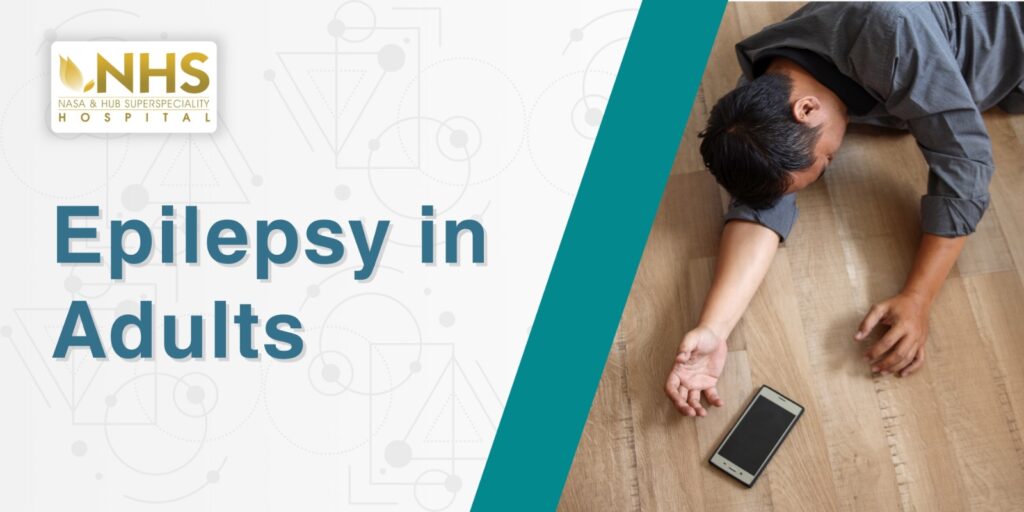
Epilepsy is a neurological disorder characterised by recurrent seizures caused by abnormal electrical activity in the brain.
Seizures can present in different ways. Some children with epilepsy may experience sudden jerking movements, while others may simply stare blankly for a few seconds or lose awareness temporarily.
Because seizures vary greatly from child to child, recognising the symptoms and obtaining an accurate diagnosis are extremely important. Early medical attention can significantly improve seizure control and long-term outcomes.
The Emotional Impact on Parents
For many families, the diagnosis of epilepsy brings emotional challenges. Parents often feel worried about their child’s future and may constantly fear the possibility of another seizure.
Some parents even blame themselves, wondering if they could have prevented the condition. It is important to understand that epilepsy is a medical condition and not the result of anything a parent did or failed to do.
Children often look to their parents for emotional cues. When parents remain informed, calm and supportive, children with epilepsy are more likely to develop confidence and cope positively with their condition.
Can Children with Epilepsy Attend School?
One of the most common concerns among parents is whether epilepsy will affect their child’s education.
The good news is that most children with epilepsy attend mainstream schools and participate fully in classroom activities. With proper treatment and seizure control, many perform exceptionally well academically.
Teachers and school staff should be informed about the child’s condition and educated about seizure first aid. This ensures a safe and supportive environment where the child can learn and thrive without unnecessary restrictions.
Can Children with Epilepsy Play Sports and Enjoy Activities?
Many parents become overly protective after an epilepsy diagnosis, limiting their child’s activities out of concern for safety. While certain precautions may be necessary, children should not be prevented from enjoying childhood experiences.
Physical activity offers numerous benefits for children with epilepsy, including improved fitness, confidence, mental well-being and social interaction. Most children can safely participate in sports and recreational activities under appropriate medical guidance.
Activities involving deep water, heights or potentially dangerous situations should be discussed with a neurologist to determine individual safety recommendations.
Early Diagnosis for Children with Epilepsy
Early diagnosis is one of the most important factors in successful epilepsy management. Identifying the type of seizure and its underlying cause allows doctors to create an effective treatment plan.
Modern diagnostic tools such as EEG, MRI and CT scans play a crucial role in understanding a child’s condition. At NHS Neurocare (a unit of NHS Hospital), advanced neurological facilities including 24/7 MRI and CT services help ensure timely diagnosis and comprehensive care.
Prompt intervention often reduces complications and helps children with epilepsy achieve better seizure control and improved quality of life.
(Internal Link: EEG Services | MRI Services | Neurology Department)
Treatment Options for Children with Epilepsy
Treatment depends on the type and severity of epilepsy. Anti-seizure medications are the most common form of treatment and are highly effective for many children with epilepsy.
Regular follow-up visits, medication adherence and monitoring are essential for achieving optimal results. In selected cases, specialised treatments or surgical options may also be considered.
Parents should never stop medications without medical advice, even if seizures appear to have improved.
Breaking the Stigma Around Children with Epilepsy
Unfortunately, misconceptions about epilepsy continue to exist. Some families may feel isolated or reluctant to discuss the condition openly.
Education is the key to changing perceptions. Epilepsy does not define a child’s intelligence, talents or potential. Many successful individuals around the world have lived productive and inspiring lives despite having epilepsy.
Children with epilepsy should be encouraged to participate in school events, social activities and hobbies. Building confidence early helps them develop resilience and independence later in life.
Parents can also learn more about epilepsy through trusted organisations such as the World Health Organization (WHO) and the International League Against Epilepsy (ILAE).
Why Expert Neurological Care Matters
Managing epilepsy requires specialised expertise. Parents searching for the best neurologist in Jalandhar often seek experienced professionals who can provide accurate diagnosis and long-term care.
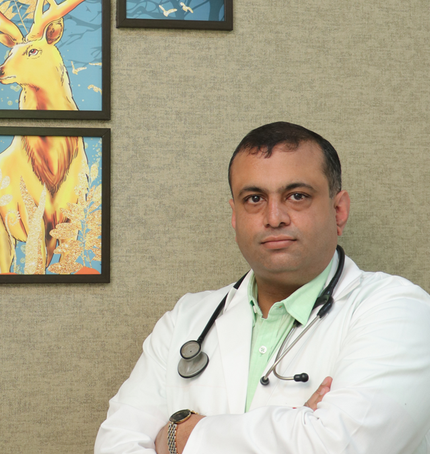
Dr Sandeep Goel, Director and Senior Neurologist, DM Neurology, brings more than 27 years of experience in diagnosing and treating complex neurological disorders, including childhood epilepsy.
Under his guidance, NHS Neurocare (a unit of NHS Hospital) has earned the trust of families across the region.
With advanced technology, comprehensive neurological services and a patient-centred approach, lakhs of patients have been treated successfully at the institution.
Families seeking an Epilepsy Doctor in Jalandhar or an Epilepsy Doctor in Kapurthala benefit from specialised evaluation, personalised treatment plans and ongoing support throughout the treatment journey.
(Internal Link: Best Neurologist in Jalandhar | Pediatric Neurology | Seizure Treatment)
A Bright Future Is Possible
A diagnosis of epilepsy may feel overwhelming at first, but it should never take away hope.
Today, children with epilepsy can attend school, participate in sports, enjoy hobbies, build meaningful friendships and pursue successful careers.
The journey may include challenges, but with proper medical care, family support and encouragement, children can overcome obstacles and achieve their full potential.
As parents, your love, patience and belief in your child can make a tremendous difference. Remember, epilepsy is only one chapter in your child’s story—it does not determine the ending.
If your child experiences seizures or symptoms suggestive of epilepsy, seeking early evaluation from an experienced neurologist can be the first step towards a healthier, brighter and more confident future.