Migraine Treatment
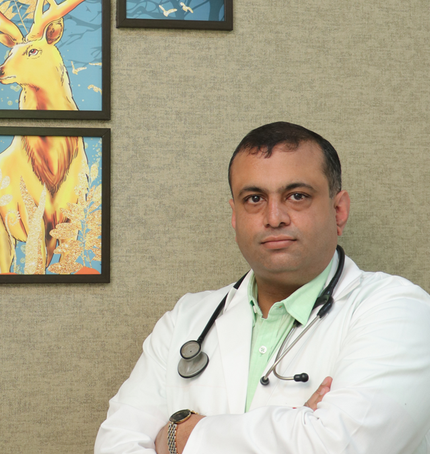
Advanced Migraine Care by Dr Sandeep Goel (Senior Neurologist) | DM Neurology | 27+ Years’ Experience
Migraine Treatment Centre
Migraine is much more than a headache. It is a complex neurological disorder that can cause severe, throbbing head pain along with nausea, vomiting, and sensitivity to light, sound, or smells. Migraine attacks can last from a few hours to several days and may significantly affect work, family life, and overall wellbeing.
At NHS Neurocare (A Unit of NHS Hospital, Jalandhar), we provide comprehensive diagnosis, personalised treatment, and long-term migraine management under the expert guidance of Dr Sandeep Goel (Senior Neurologist), DM Neurology, who has 27+ years of experience and has successfully treated lakhs of patients with neurological disorders.
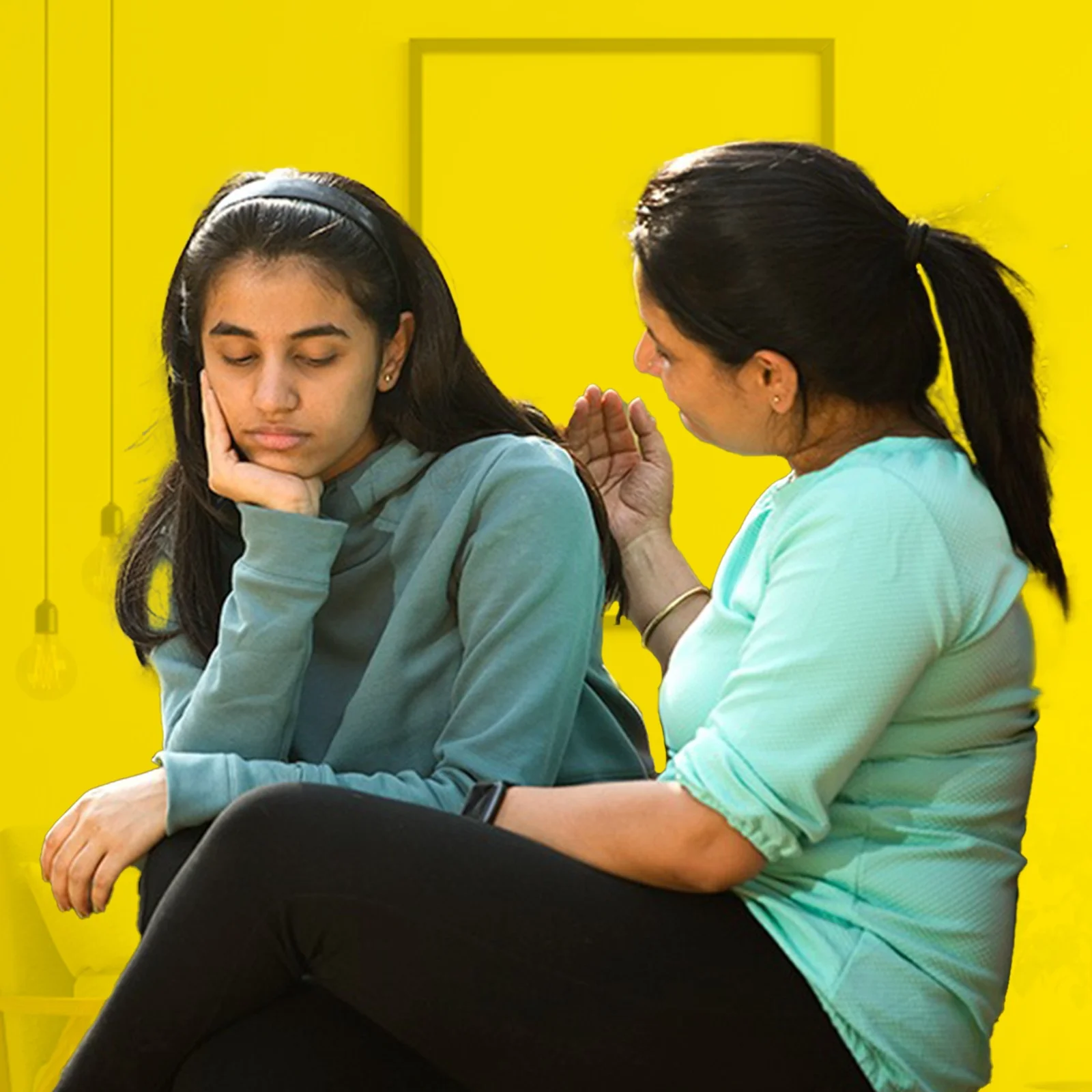
Our aim is not only to relieve migraine attacks but also to reduce their frequency, identify triggers, and help patients regain control of their daily lives.
Meet Your Migraine Specialist: Dr Sandeep Goel (Senior Neurologist), DM Neurology is one of North India’s leading neurologists with over 27 years of experience in diagnosing and managing complex neurological disorders, including headache disorders and migraine. His clinical expertise, supported by advanced diagnostics, enables accurate assessment and effective, long-term migraine control.
What is Migraine?
Migraine is a neurological condition characterised by recurring attacks of moderate to severe headache, usually affecting one side of the head. The pain is often described as throbbing or pulsating and may be accompanied by nausea, vomiting, and increased sensitivity to light, sound, or certain smells.
Migraine affects people of all ages but is more common in women. Without appropriate treatment, migraine can interfere with work, education, social activities, and emotional wellbeing.
Early diagnosis by an experienced neurologist can significantly reduce the frequency and severity of migraine attacks.
Common Symptoms of Migraine
Migraine symptoms vary from person to person and may occur in different stages. Common symptoms include:
- Moderate to severe throbbing headache
- Pain usually affecting one side of the head
- Nausea or vomiting
- Sensitivity to bright light
- Sensitivity to loud sounds
- Sensitivity to certain smells
- Blurred vision
- Dizziness
The 4 Stages of Migraine
1. Prodrome: Subtle changes 1 to 2 days before an attack, including neck stiffness, food cravings, mood swings, constipation, and frequent yawning.
2. Aura: Reversible visual, sensory, or speech symptoms lasting up to an hour (flashing lights, blind spots, tingling in arms/legs, or difficulty speaking).
3. Attack: The actual headache stage lasting 4 to 72 hours, with severe pulsating pain, nausea, vomiting, and extreme sensitivity to light/sound.
4. Postdrome: The “migraine hangover” phase lasting up to 24 hours, causing fatigue, confusion, and muscle weakness.
Common Migraine Triggers
Identifying triggers is an essential step in managing migraine:
- Stress & anxiety
- Hormonal changes in women
- Irregular sleep patterns
- Dehydration
- Skipping meals
- Bright lights or sun glare
- Loud sounds & strong smells
- Certain foods (aged cheese, processed meats)
- Food additives (monosodium glutamate/MSG)
- Caffeine overuse or withdrawal
- Alcohol consumption
- Weather changes
- Physical exertion
Diagnosis & Advanced Treatment Options
Diagnosis at NHS Neurocare includes a detailed neurological consultation, complete headache evaluation, MRI Brain, CT Brain, and blood investigations. Our 24/7 CT & MRI facilities ensure rapid assessment.
Your personalised treatment plan may include:
- Acute Migraine Medication: Medicines to relieve pain and symptoms during an attack.
- Preventive Treatment: Regular medications to reduce the frequency and severity of future attacks.
- Trigger Management: Identifying and avoiding individual triggers.
- Lifestyle Modification: Advice regarding sleep hygiene, regular meals, hydration, and limiting caffeine and alcohol.
- Relaxation Therapy: Stress management, meditation, and relaxation techniques to reduce attack frequency.
- Regular Follow-up: Continuous monitoring to adjust treatment as symptoms change.
Why Choose NHS Neurocare?
- Led by Dr Sandeep Goel (Senior Neurologist), DM Neurology with 27+ years of experience
- Lakhs of patients treated successfully
- 24/7 CT & MRI available within the Emergency Department
- Lifestyle, dietary, and trigger management counselling
- Dedicated neurology and neurosciences team
- Compassionate, patient-centred care
Frequently Asked Questions
1. What is a migraine?
Migraine is a complex neurological disorder causing severe, throbbing headache attacks accompanied by nausea, vomiting, and sensitivity to light, sound, or smell.
2. What causes migraine?
While the exact cause is not fully understood, it is linked to genetic factors, brain chemical changes, and specific triggers like stress or hormonal fluctuations.
3. Is migraine hereditary?
Yes, many patients have a family history, though environmental triggers play a major role in starting attacks.
4. What is a migraine aura?
A group of temporary nervous system symptoms (like flashing lights, blind spots, or tingling in the face/limbs) occurring shortly before the headache starts.
5. Can migraine be cured?
While there is no permanent cure, migraine can be highly managed. The frequency and severity of attacks can be significantly reduced with appropriate treatment and lifestyle changes.
6. When should I see a neurologist for migraine?
If your headaches are frequent, severe, do not respond to over-the-counter medicines, or interfere with your work and daily activities.
7. Where can I receive expert migraine treatment in Jalandhar?
At NHS Neurocare (A Unit of NHS Hospital, Jalandhar), under the expert guidance of Dr Sandeep Goel (Senior Neurologist), DM Neurology.
Regain Control Over Your Life
Migraine should never be accepted as a part of everyday life.
If you are looking for an experienced Migraine Specialist or Neurologist in Jalandhar, consult Dr Sandeep Goel (Senior Neurologist), DM Neurology, at NHS Neurocare. With advanced diagnostics, personalised treatment plans, and 24/7 CT & MRI in the Emergency Department, we are committed to helping you live a healthier, pain-free life.