Epilepsy Treatment
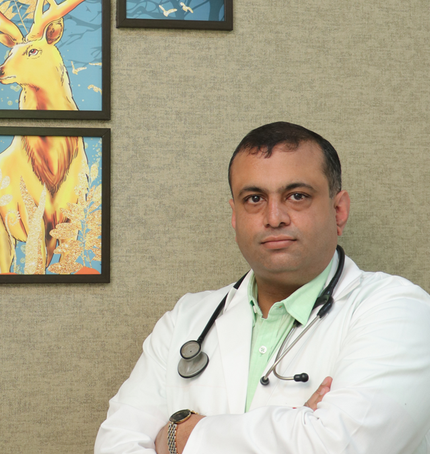
Advanced Seizure Care by Dr Sandeep Goel (Senior Neurologist) | DM Neurology | 27+ Years’ Experience
Epilepsy Treatment Centre
Epilepsy is one of the most common neurological disorders, affecting people of all ages. Although witnessing a seizure can be frightening, epilepsy is a highly manageable condition when diagnosed early and treated by an experienced neurologist.
At NHS Neurocare (A Unit of NHS Hospital, Jalandhar), we provide comprehensive diagnosis, treatment, and long-term management for epilepsy and seizure disorders. Led by Dr Sandeep Goel (Senior Neurologist), DM Neurology, with 27+ years of experience and lakhs of patients treated, our dedicated neurology team combines clinical expertise with advanced technology to deliver personalised care for both adults and children.
Our goal is not only to control seizures but also to help patients lead confident, independent, and fulfilling lives.
What is Epilepsy?
Epilepsy is a neurological condition in which abnormal electrical activity in the brain causes recurrent seizures. A single seizure does not necessarily mean a person has epilepsy. Generally, epilepsy is diagnosed when an individual experiences two or more unprovoked seizures or when there is a high risk of recurrent seizures.
With timely diagnosis and appropriate treatment, most people with epilepsy can achieve excellent seizure control.
Symptoms of Epilepsy
Seizures can disrupt any brain-coordinated process. Warning signs and symptoms include:
- Temporary confusion
- Sudden staring episodes
- Loss of awareness or consciousness
- Uncontrolled jerking movements of the arms or legs
- Muscle stiffness
- Sudden falls
- Tingling sensations
- Visual disturbances or flashing lights
- Sudden fear, anxiety or déjà vu
- Repetitive lip-smacking, chewing or swallowing
- Difficulty speaking during an episode
Causes of Epilepsy Disorders
In many patients, the exact cause remains unknown. However, epilepsy may develop due to:
- Head injury or traumatic brain injury
- Stroke
- Brain tumours
- Brain infections such as meningitis or encephalitis
- Congenital brain abnormalities
- Birth-related brain injury
- Genetic factors
- Developmental neurological disorders
- Vascular malformations within the brain
Early neurological assessment helps identify the underlying cause and guides the most appropriate treatment.
Types of Seizures
1. Focal Seizures
These seizures begin in one area of the brain. They are divided into:
- Focal seizures without loss of consciousness: Alter feelings, cause déjà vu, involuntary muscle twitching in one body part, or sudden tingling/sensory flashes.
- Focal seizures with altered consciousness: Change or lose awareness; patients may look off into space, perform repetitive actions (rubbing hands, chewing, swallowing, walking in circles), or not react normally to surroundings.
2. Generalised Seizures
These involve both sides of the brain from the onset. Common types include:
- Absence Seizures: Brief staring episodes with temporary loss of awareness, commonly seen in children.
- Tonic Seizures: Sudden muscle stiffness causing falls or loss of balance.
- Atonic Seizures: Sudden loss of muscle tone resulting in collapse.
- Clonic Seizures: Repeated rhythmic jerking of muscles.
- Myoclonic Seizures: Brief, shock-like jerks affecting the arms, legs, or upper body.
- Tonic-Clonic Seizures: Previously known as grand mal seizures, these involve loss of consciousness, body stiffening, and rhythmic jerking movements.
Diagnosis & Advanced Treatment Options
At NHS Neurocare, evaluation includes a detailed neurological examination, complete medical history, EEG, Video EEG, MRI/CT Brain, and blood investigations. Our 24/7 CT & MRI facilities ensure rapid diagnosis.
Treatment is tailored to each patient’s needs and may include Anti-Seizure Medication, Lifestyle & Trigger Management, Emergency Seizure Care, Surgical Evaluation, Long-Term Follow-up, and Patient & Family Counselling.
Why Choose NHS Neurocare?
- Led by Dr Sandeep Goel (Senior Neurologist), DM Neurology with 27+ years of experience
- Lakhs of neurological patients successfully treated
- Comprehensive epilepsy diagnosis and treatment under one roof
- 24/7 CT & MRI available within the Emergency Department for rapid evaluation
- Advanced EEG and Video EEG facilities
Frequently Asked Questions
1. Can epilepsy be cured?
Many patients achieve complete seizure control with medication, while others can significantly reduce seizure frequency and live normal lives.
2. Can people with epilepsy live a normal life?
Yes. With appropriate treatment, most people with epilepsy can study, work, marry, and enjoy an active lifestyle.
3. Is every seizure epilepsy?
No. A seizure may occur due to high fever, low blood sugar, head injury, or other temporary conditions.
4. Is epilepsy hereditary?
Some forms have a genetic basis, though many patients have no family history.
5. Where can I receive expert epilepsy treatment in Jalandhar?
At NHS Neurocare (A Unit of NHS Hospital, Jalandhar), under the expert guidance of Dr Sandeep Goel (Senior Neurologist), DM Neurology, who has 27+ years of experience and lakhs of patients treated.
Trusted Epilepsy Care at NHS Neurocare
Epilepsy is a manageable condition, and the right care makes a meaningful difference.
If you are looking for an experienced Epilepsy Specialist or Neurologist in Jalandhar, consult Dr Sandeep Goel (Senior Neurologist), DM Neurology, at NHS Neurocare. With advanced diagnostics, personalised treatment plans, and 24/7 CT & MRI in the Emergency Department, we are committed to helping patients lead healthy, independent lives.